It’s no secret that the industrial sector is one of the leading energy consumers across the globe. Factories, also known as manufacturing facilities, are among the most energy-consuming operations, requiring a tremendous amount of energy to keep various machinery and equipment running at an optimal level. Total energy consumption in the US increased 6% between 2018 and 2022, further emphasizing the growing demand for energy in industrial operations.
Many factories think they have the right protocols or methods in place to reduce spending on energy, but working through a detailed energy audit is truly the only way they can uncover ways to cut costs. There are several factors that influence a factory’s electricity bill, including local utility rates, energy efficiency practices, geographical location, and the specific devices in use. To compute monthly energy consumption, multiply the installed running kW by the hours per day, days per month, and load factor.
By looking at factories of different sizes and located in different states, the EIA found that factories have an average monthly consumption of 80,543 (kWh) at an average price of 6.67 (cents/kWh). The national average for factory electricity bills serves as a useful benchmark for businesses to compare their own costs and understand how they stack up against typical figures. To get a precise estimate of a factory’s electricity bill, obtain the last 12 months of meter data and multiply by the local tariff schedule.
Electricity costs can vary significantly across the country, and the EIA data allows for comparison between states to see how local rates impact overall expenses. This is simply an estimate and many factories pay much more for electricity depending on factors such as their size, location, and type of operation. Electricity prices vary significantly by state and region due to differences in fuel costs, power plant accessibility, and local regulations. Fluctuations in global fuel markets directly impact the cost of generating electricity, which is generally the largest component of an electricity bill. In addition to overall usage, electricity consumption and costs can also be measured or compared on a square foot basis for more precise benchmarking.
In this article, we will explore average industrial electricity costs for factories, the two different kinds of energy audits (billing and consumption-based audits), and how factories can reduce costs through an energy audit.
Introduction to Electric Bills
Electric bills are a fundamental part of the energy industry, providing a detailed record of the total energy consumption for every household, business, and manufacturing facility. For any facility, understanding how to interpret and manage your electric bill is key to controlling costs and minimizing energy waste. Energy management is a critical practice for facilities aiming to optimize their electric bills. The average electric bill can vary widely based on several factors, including your location, the amount of energy your facility uses, and the specific electric rates set by your utility provider.
In the United States, the national average monthly residential electric bill is $169.80, while commercial facilities see an average electric bill of $862.40 per month. Manufacturing facilities, with their higher energy usage and more complex operations, often face even greater expenses. To effectively reduce consumption and lower electric bills, it’s important to understand the different tariffs that may apply to your facility, as well as the breakdown of energy charges and demand charges on your bill. By analyzing these components and comparing your costs to the national average, businesses can identify opportunities to optimize their energy usage and implement strategies to reduce overall expenses.
Average Factory Electricity Costs
According to the US Energy Information Administration (EIA), factories account for 32% of the overall energy consumption in the US. Additionally, manufacturers as a whole are responsible for 35% of the country’s end-use energy consumption, highlighting the significant role this sector plays in national energy usage.
By looking at factories of different sizes and located in different states, the EIA found that factories have an average monthly consumption of 80,543 (kWh) at an average price of 6.67 (cents/kWh). The ‘energy cost per unit’ (such as per kWh) is a useful metric for comparing electricity expenses across different factories. Based on these numbers, the average monthly electric bill for factories in the US is $5,370. This is simply an estimate and many factories pay much more for electricity depending on their size, location, and type of operation. Factories should expect their actual electricity costs to vary significantly based on these specific circumstances.
So, while the EIA is tracking actual factory usage for the data cited here, the law of averages does keep this average monthly cost quite low. We have seen some clients spending over seven and eight figures per year ($1,000,000-$10,000,000+) on their electric usage depending on the type of manufacturing facility.
Factors Affecting Electricity Costs
Electricity costs for manufacturing facilities and other businesses are influenced by a range of factors, each playing a role in determining the total cost reflected on your electric bill. The most significant factor is energy usage—how much electricity your facility consumes over a given period. According to the Energy Information Administration (EIA), the average price of electricity for industrial customers is about 6.67 cents per kilowatt-hour (kWh), but this rate can fluctuate depending on your location, the type of facility, and even the time of day you use the most power. Some suppliers charge higher peak demand rates when electricity demand is highest, often late afternoon. Extreme weather events, such as heat waves or cold snaps, increase demand for heating and cooling, which strains the grid and drives up prices.
Manufacturing facilities, in particular, are high consumers of electricity, averaging 95.1 kWh per square foot annually. Demand charges, which are based on the highest level of power your facility draws during peak periods, can also add substantially to your total cost. Load factor, a measure of how efficiently your facility uses its electrical capacity, can significantly impact your electricity costs—a higher load factor indicates more consistent usage and can help lower demand charges. Powering down idling equipment can help reduce electricity waste in manufacturing facilities, further optimizing energy usage. US manufacturers use an average of 95.1 kilowatt-hours (kWh) of electricity per square foot annually, underscoring the importance of efficient energy management in this sector.
To keep electric bills in check, facilities can invest in energy-efficient equipment, optimize the performance of HVAC equipment, and schedule energy-intensive processes during off-peak hours when electric rates are lower. By understanding these factors and regularly reviewing your energy consumption data, you can estimate your costs more accurately and implement targeted strategies to reduce your facility’s overall energy expenses. Replacing inefficient lighting fixtures with LED lights can improve visibility and reduce energy waste, making it a practical step toward cost savings.
Understanding Electric Power
Electric power is at the heart of every modern business, driving everything from basic lighting to the most complex industrial machinery. For manufacturing facilities, electric power represents a major share of their total energy consumption, as these businesses rely on a steady and substantial supply of electricity to keep production lines, HVAC equipment, and other essential systems running smoothly.
Understanding how much electricity your facility consumes—and what drives that consumption—is crucial for managing energy usage and controlling expenses. The Energy Information Administration (EIA) provides comprehensive data on energy consumption and usage patterns across different industries, helping businesses benchmark their performance and identify opportunities to reduce consumption. Implementing energy management systems can provide real-time monitoring and automation of energy savings, enabling facilities to make data-driven decisions to optimize their energy use.
In the manufacturing industry, energy usage is often measured in kilowatt-hours (kWh), and the costs can add up quickly depending on the size of the facility, the type of equipment in use, and the intensity of operations. By analyzing this data, businesses can gain insights into their average electric bill, spot trends in energy consumption, and make informed decisions about where to invest in efficiency improvements.
Monitoring electric power usage not only helps manufacturing companies manage their electricity bills but also supports efforts to reduce energy waste and improve overall operational efficiency. Maintaining good power quality is essential to ensure reliable operation of equipment and prevent costly disruptions. Meter charges are fixed charges for being connected to the grid and cover maintenance expenses. With a clear understanding of how energy is consumed within a facility, businesses can implement targeted strategies to lower their total cost, optimize equipment performance, and ultimately achieve more sustainable and cost-effective operations.
Reducing Energy Consumption
Reducing energy consumption is a top priority for manufacturing facilities aiming to lower their operating costs and enhance sustainability. According to the Energy Information Administration, the industrial sector is responsible for a substantial portion of the country’s total energy consumption, making it essential for facilities to adopt smarter energy usage strategies. Renewable energy sources like solar panels can significantly lower costs and reliance on the electricity grid, offering a sustainable alternative for long-term energy management.
One of the most effective ways to cut down on energy consumption is by implementing energy-efficient practices throughout the facility. Upgrading to LED lighting, for example, can reduce lighting-related energy usage by up to 70%, while optimizing HVAC equipment—such as installing variable air volume systems—can decrease HVAC-related energy consumption by as much as 30%. These improvements not only lower the electric bill but also help reduce overall energy waste. Energy-efficient upgrades, such as LED lighting and high-efficiency machinery, are proven strategies to reduce electricity expenses in manufacturing facilities.
Conducting a comprehensive energy audit is another critical step. Whether performed by in-house teams or external consultants, energy audits help identify inefficiencies and provide targeted recommendations. Facilities that act on audit findings can often reduce their total energy consumption by up to 20%, leading to significant savings on their average electric bill.
In addition to equipment upgrades, optimizing energy usage patterns can have a major impact on costs. By staggering equipment start times, using load management systems, and shifting non-essential processes to off-peak hours, manufacturing facilities can reduce peak demand and lower demand charges—which can account for up to half of the total energy bill. Improving power factor with correction equipment also helps minimize energy losses and further reduces costs. Many industrial tariffs include power factor penalties for power factors below 0.9 to 0.95, making it crucial for facilities to maintain an optimal power factor to avoid additional charges.
Types of Factory Energy Audits
There are two different types of energy audits that factories can conduct – energy billing audits and energy consumption audits. These audit types are applicable to commercial and industrial facilities, helping businesses assess and optimize their energy use. A firm specializing in energy efficiency consulting and sustainable design engineering can provide valuable insights into a factory’s energy consumption and costs. Some factories may also choose to align their energy management practices with international standards such as ISO 50001 to further enhance audit effectiveness. Since savings can be found without capital expenditure with an energy billing audit, we will focus most of our attention on the details and benefits of this type of audit.
Factory Energy Billing Audit
An energy billing audit is conducted in order to uncover savings within your energy invoices and contracts, which are a significant part of your factory’s overall utilities expenses.
At P3 Cost Analysts, we specialize in this type of audit and have our experts look for overcharges, errors, and other opportunities for savings that most customers aren’t aware of. With our industry knowledge, we are able to deeply analyze your energy tariffs and bills in order to find hidden areas of savings. As part of this process, we perform a comprehensive utility rate analysis to ensure your factory is paying the most competitive rates available. The audit also takes into account fixed charges associated with the grid, the network that supplies electricity to your facility and is reflected in your utility bill.
In an energy billing audit, we are not recommending any new technologies or methods to reduce consumption or anything that involves capital expenditure. We are strictly seeking financial savings within your invoices due to energy vendor errors.
Below, we explore the benefits of conducting an energy billing audit and how P3 Cost Analysts find savings due to overcharges or errors on your electric bills.
Benefits of a Factory Energy Billing Audit
Negotiating Better Energy Rates
As experts in the energy industry, your team of auditors has access to nationwide pricing data which is typically inaccessible to the average customer. With this data in hand, they are able to compare your rates to similar types of factories in order to see if your contract rates are fair and acceptable.
If it is found that you’re paying more than you need to for your factory’s energy needs, your team of auditors can work on your behalf to negotiate the best rates possible with your energy supplier. Effective energy procurement strategies can help factories secure favorable contract terms and reduce long-term energy expenses. This most commonly happens in deregulated markets where you actually have the ability to choose which energy supplier you work with, giving you the opportunity to secure the lowest rates available thanks to increased market competition.
Correcting Overcharges and Billing Errors
By taking a thorough look at your past and present energy invoices, auditors commonly find a variety of different errors, overcharges, or extra fees that you unknowingly have paid for. Accurate metering is essential for ensuring correct billing and identifying discrepancies in your energy usage.
Once the auditors have compiled their list of findings, they can open up a case with your energy supplier and work to bring you back the credits to which you are entitled.
Qualifying for the Correct Energy Tariffs
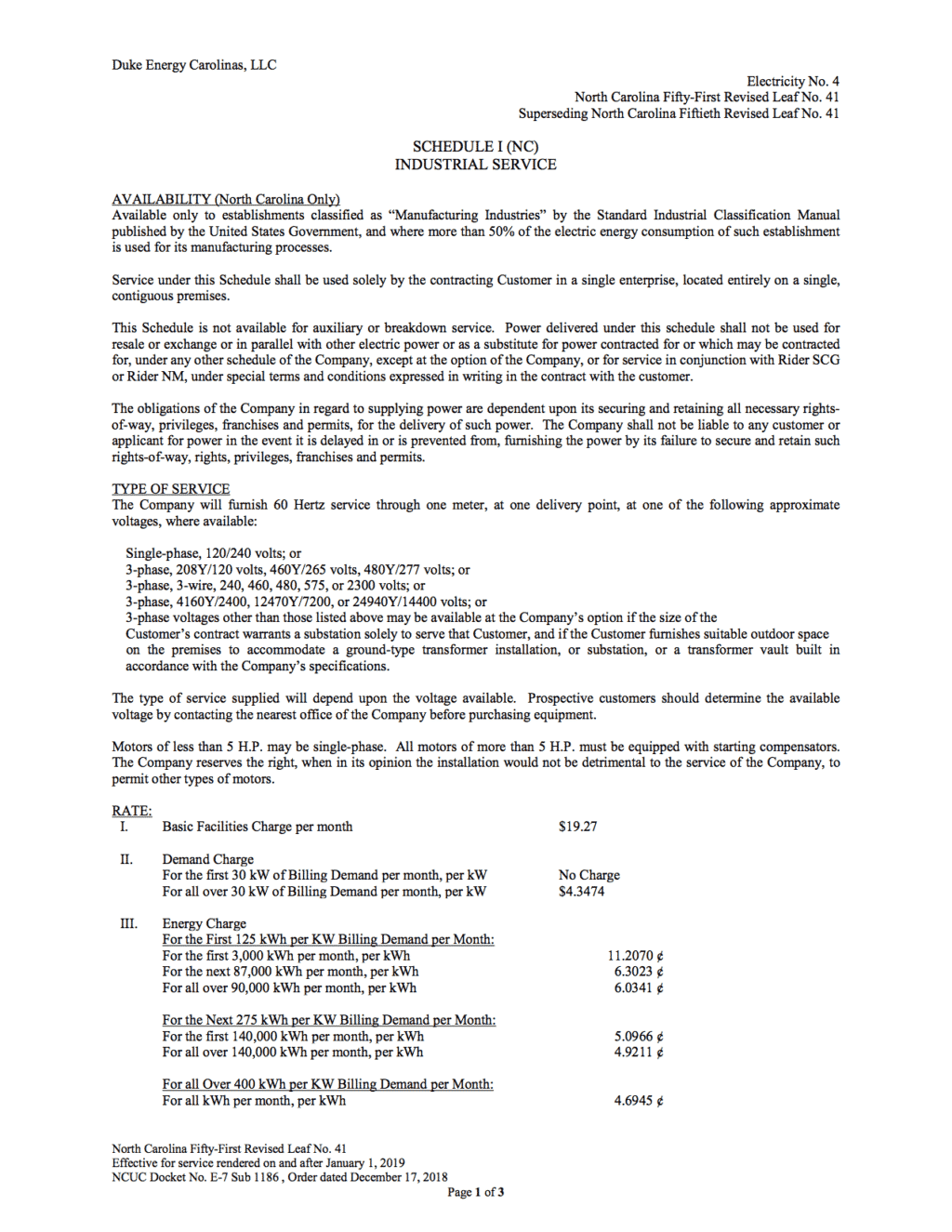
Since factories use so much energy, it’s important for them to function under the proper tariffs in order to optimize their energy spending. Due to the complex nature of energy tariffs, it’s almost impossible for the average customer to understand how tariffs work and if they are, in fact, operating under the correct ones. Many tariffs include components such as demand charges, which are fees based on the maximum power demand recorded during a billing period, as well as energy charges that reflect the total amount of energy consumed. Understanding demand, demand charges, and energy charges is essential for optimizing energy spending and qualifying for the correct tariffs. Participating in demand response programs can also help factories manage peak demand and potentially lower their electricity costs. Your team of auditors will know how to work through the appropriate tariff documents to see what tariffs you qualify for and will help you make the necessary changes.
Factory Consumption-Based Audit
Consumption-based energy audits focus on ways to help factories reduce their energy usage and implement energy-efficient technologies. Many companies offer this type of service and there’s a variety of different products and devices they may recommend to prevent energy waste. Electrical systems and equipment are often key targets for these efficiency improvements, as monitoring and optimizing electrical usage can significantly reduce waste and costs. Submetering can provide detailed insights into specific areas of energy consumption within a factory, allowing for more targeted energy management and identification of inefficiencies.
Though this type of audit has its place and purpose, many of the solutions that get recommended require a great deal of investment from a given factory. For factories looking for cost savings on energy without capital expenditure, they will have to work through an energy billing audit with a team of experts.
P3's Energy Billing Audit Process
Step 1: Engagement
During the engagement phase, we will walk through our shared savings agreement during a 20-minute meeting and also let you know what materials we will need to get started, including contracts, energy contract, authorization documents, and invoices.
Step 2: Onboarding
Onboarding consists of us accessing 12–36 months’ worth of your energy invoices. Reviewing this historical usage data helps us identify trends and potential areas for savings. Every state has different statutes of limitations and we will go back as far as your state allows us to go.
Step 3: Audit
During the audit, we will take a close look at your invoices and see if there are any billing errors, overcharges, or other unnecessary fees. As we find these discrepancies, we will update you weekly or bi-weekly and bring these savings to you along the way. Typically, it takes anywhere from 4–6 weeks to share our findings and then another 4–6 weeks to actually implement these savings. The audit process will also produce a detailed report, often referred to as an energy savings report, which outlines potential savings, areas for improvement, and summarizes actionable recommendations.
Step 4: Ongoing Auditing
Our service doesn’t end with this initial audit. We will monitor your invoices on a monthly basis moving forward to ensure that your savings are upheld and that no other overcharges come up. Continuous monitoring is essential for maintaining long-term cost savings and identifying new opportunities for improvement.
Factory Electric Billing Audit Case Study
We worked with a large manufacturing company that had utility expenses well over $5,000,000 per year. Since reducing these expenses is a complex process, they wanted to have third-party experts review their invoices and contracts to see where there might be savings.
During our risk-free expense audit, we were able to find multiple errors and overcharges on their electric expenses including misapplied taxes, stuck meters, and incorrect fees. Our energy audit findings revealed significant cost recovery opportunities, directly improving the client’s bottom line.
Through our audit, we were able to generate a $220,000 refund check, putting real money back into the client’s business. We also generated over $360,000 in additional savings, helping the client save even more money over the course of our engagement.
Natural Gas as an Alternative Energy Source
Natural gas has become an increasingly popular alternative energy source for businesses and manufacturing facilities looking to manage their energy consumption and reduce costs. In the manufacturing industry, natural gas accounts for roughly 33% of total energy usage, making it a significant contributor to the sector’s overall energy mix. One of the main advantages of natural gas is its potential for cost savings, as it often provides a more affordable option compared to electricity, depending on market conditions and regional availability.
The average cost of natural gas is around $0.80 per therm, but this price can vary based on location and seasonal demand. When considering a switch to natural gas, businesses should evaluate their current energy usage patterns, the costs of upgrading or maintaining equipment, and the potential for long-term savings. Some factories may also consider onsite generation options, such as combined heat and power systems, to further reduce reliance on the grid. By carefully analyzing these factors, manufacturing facilities can determine whether natural gas is a viable option to help reduce energy waste, lower electricity bills, and support a more sustainable approach within the energy industry. Older, less efficient systems will incur higher costs for electricity, making it essential to assess and upgrade equipment where necessary.
Reduce Your Factory Energy Bill Today
Energy is a major expense for factories due to them powering a large amount of equipment, heating and cooling large spaces, and maintaining the proper lighting throughout their facilities. Establishing a clear baseline is the most effective way to gauge and reduce electricity consumption, as it allows facilities to track their energy use and identify areas for improvement.
For factories looking to uncover many savings within their invoices and contracts, an energy billing audit is required. During an energy billing audit, a team of experts will find overcharges, errors, and other opportunities for savings in this cost category. An energy billing audit will also tell you if your factory is functioning under the right tariffs which is an important aspect of cost savings.
Factories can also conduct a consumption-based energy audit to analyze their consumption practices and figure out what energy-efficient technologies they could possibly implement. Energy benchmarking allows factories to compare their energy performance to industry standards and identify areas for improvement. Due to the fact that the solutions found within consumption-based energy audits are capital intensive, we recommend working through a billing audit to find savings without additional investment.
If you’re interested in conducting an energy billing audit for your factory, our team at P3 Cost Analysts is ready and able to help. To schedule your free expense audit, contact us today!