Hospitals and healthcare facilities face significant business expenses, with electricity being one of the largest ongoing costs. This page will answer the question: How much is a hospital electric bill? We will explore the average electric bills for hospitals, the key factors that affect these costs, and actionable ways to save. This guide is designed for hospital administrators, facility managers, and anyone responsible for managing healthcare facility budgets. Understanding hospital electric bills is crucial for effective cost management, benchmarking against industry standards, and uncovering savings opportunities that can be redirected to patient care and operational improvements.
Average Hospital Electricity Costs
Hospital electricity bills are a major part of operating expenses, often exceeding those of other commercial buildings due to 24/7 operations and specialized medical equipment. Below, we provide a summary of average hospital electric bills and the metrics used to calculate them.
Hospital Electric Bill Summary Table
Metric | Typical Range / Value |
|---|---|
Annual electric bill (per hospital) | $600,000 to over $2 million |
Electricity cost per square foot (annual) | $3 to $4 |
Average yearly cost per square foot (North America) | $2.84 (electricity only) |
Electricity cost per staffed bed (annual) | $10,900 |
Percentage of total utility costs (electricity) | Nearly 70% |
How Hospital Electricity Costs Are Calculated
Per Square Foot: Hospitals typically pay between $3 and $4 per square foot annually for electricity. The US Energy Information Administration (EIA) reports an average of $2.84 per square foot for electricity in North America.
Per Bed: The cost of electricity for inpatient facilities averages about $10,900 per staffed bed annually, with electricity accounting for nearly 70% of total utility costs.
Annual Range: Electric bills for hospitals can range from $600,000 to over $2 million annually, depending on facility size, location, and operational intensity.
Energy Consumption: Some hospitals consume more than 45 kWh per square foot per year in electrical energy, while others consume less than 18 kWh per square foot per year.
Key Drivers of Hospital Electricity Costs
Hospital electric bills are higher than those of other commercial buildings for several reasons:
Continuous Operations: Hospitals operate 24/7, requiring constant lighting, heating, cooling, and equipment use.
Specialized Equipment: Advanced medical devices and life-saving equipment consume significant amounts of electricity.
Temperature Control: Maintaining appropriate temperatures for patient safety and comfort increases energy demand.
Comparing Hospitals to Other Facilities
When compared to office buildings or retail spaces, hospitals have significantly higher energy costs per square foot due to their unique operational demands. For the average hospital, lighting, heating, and hot water usage make up roughly 61–79 percent of total energy costs, depending on the climate.
Regional and Facility Size Variations
Smaller Facilities: Medical offices and clinics generally have lower electricity costs and simpler energy needs.
Larger Hospitals: Facilities with more beds, operating rooms, and advanced equipment will see higher bills.
Climate Impact: Hospitals in warmer regions may face higher cooling costs, while those in colder climates may spend more on heating.
Next, let’s examine the patterns of energy consumption that drive these costs.
Energy Consumption Patterns
Healthcare facilities face unique challenges in managing energy costs due to their around-the-clock operations and the critical need for uninterrupted power. Hospitals consistently use more energy per square foot than other commercial buildings.
Hospital Energy Use Metrics
Average Consumption: Hospitals consume about 27.5 kWh of electricity per square foot each year.
Large Facilities: Some large hospitals use over 50,000 kWh per day.
Variation: Some hospitals consume more than 45 kWh/sf/year, while others use less than 18 kWh/sf/year.
Key Drivers of Hospital Energy Consumption
Medical Equipment: Powering advanced devices and life-support systems.
Temperature Control: Strict heating and cooling requirements for patient safety.
Lighting and Hot Water: Essential for operations and hygiene.
Regional and Facility Size Variations
Geographic Location: Hospitals in warmer climates may have higher cooling demands, while those in colder areas spend more on heating.
Facility Size: Larger hospitals with more beds and equipment have higher energy needs.
Comparing Hospitals to Other Facilities
Hospitals’ energy expenses are often higher than those of other commercial buildings, reflecting the intensive energy consumption required to operate complex medical devices and maintain a safe environment.
Reducing Hospital Energy Consumption
To address high electricity bills and reduce energy waste, many hospitals are adopting energy-efficient solutions:
Upgrading to ENERGY STAR-certified medical equipment
Installing LED lighting
Implementing advanced energy management systems
Conducting regular energy audits
Financial incentives and rebates from utility companies and government agencies can further support hospitals in their efforts to become more energy efficient.
Understanding these consumption patterns is essential for identifying opportunities to save. Next, we’ll explore the types of energy audits hospitals can use to uncover savings.
Types of Energy Audits
There are two main types of energy audits for hospitals: billing audits and consumption audits.
Energy billing audits focus on identifying errors and overcharges in energy invoices without requiring capital expenditure.
Consumption-based energy audits analyze a hospital’s total energy usage and recommend ways to reduce consumption.
Let’s look at each type in more detail.
Hospital Energy Billing Audit
A billing-based energy audit examines your hospital’s energy invoices for errors, overcharges, and opportunities for savings that do not require new technology or changes in usage. These audits are strictly financial, focusing on hidden overcharges and savings opportunities within your current billing structure.
Benefits of a Hospital Energy Billing Audit
Negotiating Better Energy Rates: Auditors compare your current energy contracts against industry data to negotiate better terms, even in monopoly markets.
Correction of Overcharges and Billing Errors: Detailed invoice reviews uncover overcharges or errors, allowing you to recover credits from your energy supplier.
Qualifying for the Correct Energy Tariffs: Expert auditors ensure your hospital is on the most cost-effective tariff, avoiding unnecessary expenses.
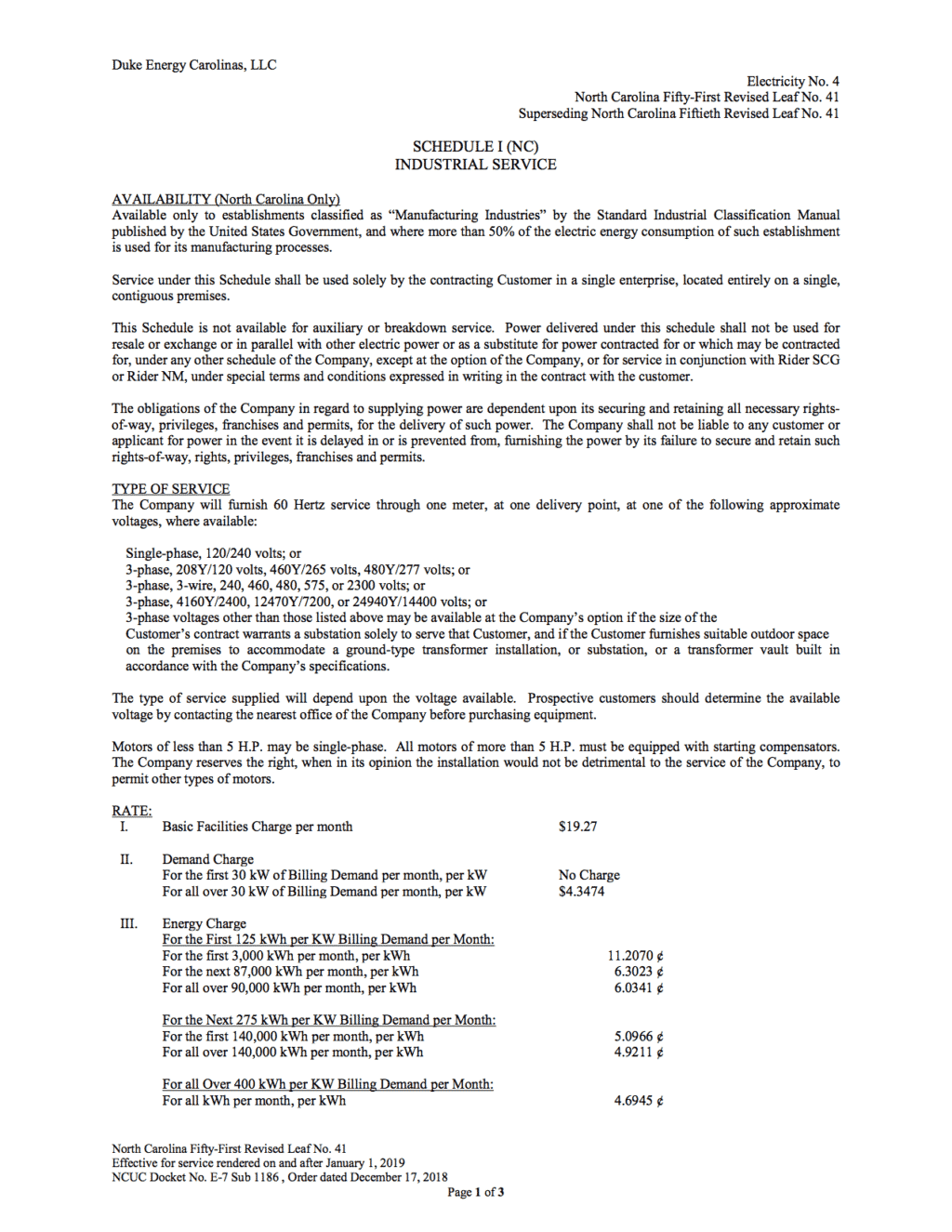
To see a detailed explanation of all the possible overcharges and areas we can help, you can read our energy auditing white paper.
Hospital Energy Consumption Audit
A consumption-based energy audit analyzes a hospital’s total energy usage and recommends ways to reduce consumption. These audits often involve:
Reviewing HVAC system performance
Identifying opportunities to upgrade lighting and equipment
Monitoring and optimizing energy use in high-demand areas like operating rooms
While consumption audits can lead to significant savings, many recommended solutions may require capital investment. For hospitals seeking risk-free savings, a detailed energy billing audit is often the first step.
Transitioning from understanding audit types, let’s look at how a professional audit process works in practice.
P3's Energy Billing Audit Process
Our energy billing audit process is designed to uncover savings efficiently and transparently. Here’s how it works:
Engagement: We start with a 20-minute meeting to outline our shared savings agreement and gather necessary materials (invoices, contracts, authorization documents).
Onboarding: We access 12–36 months of your invoices, depending on your state’s statute of limitations.
Audit: Our team analyzes invoices for overcharges, unnecessary fees, and billing errors. We update clients weekly or bi-weekly and deliver savings as we go. The process typically takes four to six weeks to present findings and another four to six weeks to implement savings.
Ongoing Auditing: We continue to audit and manage invoices monthly to maintain savings and catch new errors.
Hospital Energy Billing Audit Case Study
P3 Cost Analysts worked with a large hospital spending around $3,000,000 annually on telecom and utility services. Through a risk-free expense audit, we identified and corrected errors going back several years and found savings related to incorrect tariff usage.
Results:
Over $400,000 saved on telecom and utilities
$65,000 refund received due to corrected errors and overcharges
[sc name=”expense-audit-button”][/sc]
Understanding the audit process and its benefits, let’s move on to how hospitals can budget for energy costs effectively.
Hospital Energy Budgeting
Effective hospital energy budgeting is essential for managing costs and supporting sustainability goals. With electricity representing a significant portion of operating expenses, a well-structured energy budget ensures resources are allocated efficiently.
Key Factors in Hospital Energy Budgeting
Facility Size: Larger hospitals with more equipment and operating rooms have higher energy needs.
Equipment Usage: Intensive use of medical devices increases consumption.
Climate: Extreme temperatures drive up heating or cooling costs.
Strategies for Effective Energy Budgeting
Benchmarking: Use EIA data and industry averages to set realistic energy budgets.
Energy Efficiency Upgrades: Invest in LED lighting, high-efficiency HVAC systems, and smart energy management tools.
Regular Audits: Identify and eliminate sources of energy waste.
Leverage Incentives: Take advantage of rebates and tax credits for energy-efficient upgrades.
Benefits of Energy Budgeting
Cost Control: Keep energy expenses in check and free up funds for patient care.
Sustainability: Reduce your hospital’s carbon footprint.
Patient and Staff Well-being: Efficient systems create a healthier environment.
Given that the average hospital electric bill can reach into the millions annually, it’s vital to regularly review and update your energy budget to reflect current prices and usage patterns.
Now that you understand how to budget for energy, let’s discuss how to take immediate action to reduce your hospital’s electric bill.
Reduce Your Hospital Energy Bill Today
As we’ve seen, there are two different types of energy audits. A P3 energy billing audit helps hospitals uncover savings by reviewing invoices and contracts for overcharges, billing errors, and opportunities to negotiate better terms. This audit also ensures your hospital is on the correct energy tariff.
A consumption-based audit analyzes overall energy usage, identifies areas for improvement, and recommends new technologies or practices to boost efficiency.
To truly understand your energy expenses and uncover savings, work with a team of experts to conduct a detailed energy billing audit.
If you’re interested in conducting an energy billing audit for your hospital or healthcare system, our team at P3 Cost Analysts is ready to help. To schedule your free expense audit, contact us today!