When most people think of a utility audit they think it means finding ways to reduce consumption of energy or water. However, a business utility bill audit focuses on identifying utility bill savings by uncovering hidden savings and correcting errors on utility invoices.
This guide is for business owners, finance managers, and AP departments looking to reduce utility costs. Utility bill errors are common and can cost businesses significant amounts if left unchecked.
A utility bill audit is distinct from an energy audit, which focuses on reducing consumption; utility bill audits focus on billing accuracy and rate optimization.
A utility cost deduction audit is not about reducing usage, but about thoroughly analyzing bills from utility companies and utility providers to find discrepancies, overcharges, and mistakes. The benefit of a business utility bill audit is that it can lead to recovering refunds or credits from utility providers and utility companies after errors are found. This process not only helps correct errors but also maximizes utility bill savings for your business.
Errors uncovered during utility bill audits should be brought to the attention of utility providers for potential refunds or credits.
So what is a utility audit?
A utility audit is where we apply our 100 years of combined utility expertise on our clients’ behalf to save them money. Auditing bills includes reviewing energy invoices, comparing charges, and analyzing gas, electric, water, and sewer bills for common errors and varying rate plans. Most AP departments focus on payments, but a thorough bill audit uncovers errors and opportunities for refunds, often amounting to hundreds of thousands of dollars. Utility bill auditing services are typically provided by a trusted partner or team of experts, often on a performance-based model, saving extra time for AP departments. Utility bill audits help organizations and customers by ensuring they are on the optimal rate plans and tariff structures, identifying tax exemptions, and negotiating rate adjustments. Utility companies and providers can make mistakes, with nearly 17% of invoices containing exceptions, and no billing error is too old to seek a refund or credit. Auditors can renegotiate contracts, recommend more competitive suppliers, and optimize future utility costs. UtiliSave has recouped $650 million in refunds and credits for its clients and finds savings in 94% of audits. Utility bill auditing software automates the process, freeing up extra time for AP departments and allowing organizations to achieve significant year-over-year savings. If we can find you savings, we share in them 50/50 each month. If we can’t save you money, it does not cost a thing.
Specifically, our utility auditors are looking for things like:
Electric/Natural Gas
Billing errors/savings opportunities
-
Key punch
-
Meter reading
-
Demand based
-
Incorrect rate application
-
Incorrect tax
-
Multiplier/constant
-
Incorrect implementation of contract
-
Incorrect application of tariff
-
Erroneous fees and taxes
-
Utility bill audits help uncover errors by identifying common errors such as duplicate billing and misapplied taxes. By correcting errors, audits can secure refunds or credits from providers and generate future savings through optimized tariffs and improved energy expense management.
-
Audits can recover refunds for up to 36 months of past billing errors, including duplicate charges and incorrect tax applications, often on a contingency fee basis.
Water/Sewer
Billing Errors/Savings Opportunities
-
Key punch
-
Meter reading
-
Multiplier/constant
-
Incorrect application of surcharges
-
Incorrect meter usage
-
A thorough review of your water and sewer bills can help in uncovering hidden savings by identifying overlooked errors and interpreting complex regulations, not just comparing basic data.
Why is a utility audit is important for your business?
In our experience, 95% of organizations contain an invoice with at least one error or overcharge. Most AP departments are focused on processing payments, not auditing bills, which means they may overlook errors that can cost companies hundreds of thousands of dollars over time. Nearly 17% of all utility invoices contain exceptions or errors, and even small billing mistakes can accumulate and cost businesses hundreds of thousands of dollars if not addressed. Regular audits of utility bills are critical, especially for organizations with multiple locations, to prevent overcharges and recover lost money each month that could go directly back into your bottom line.
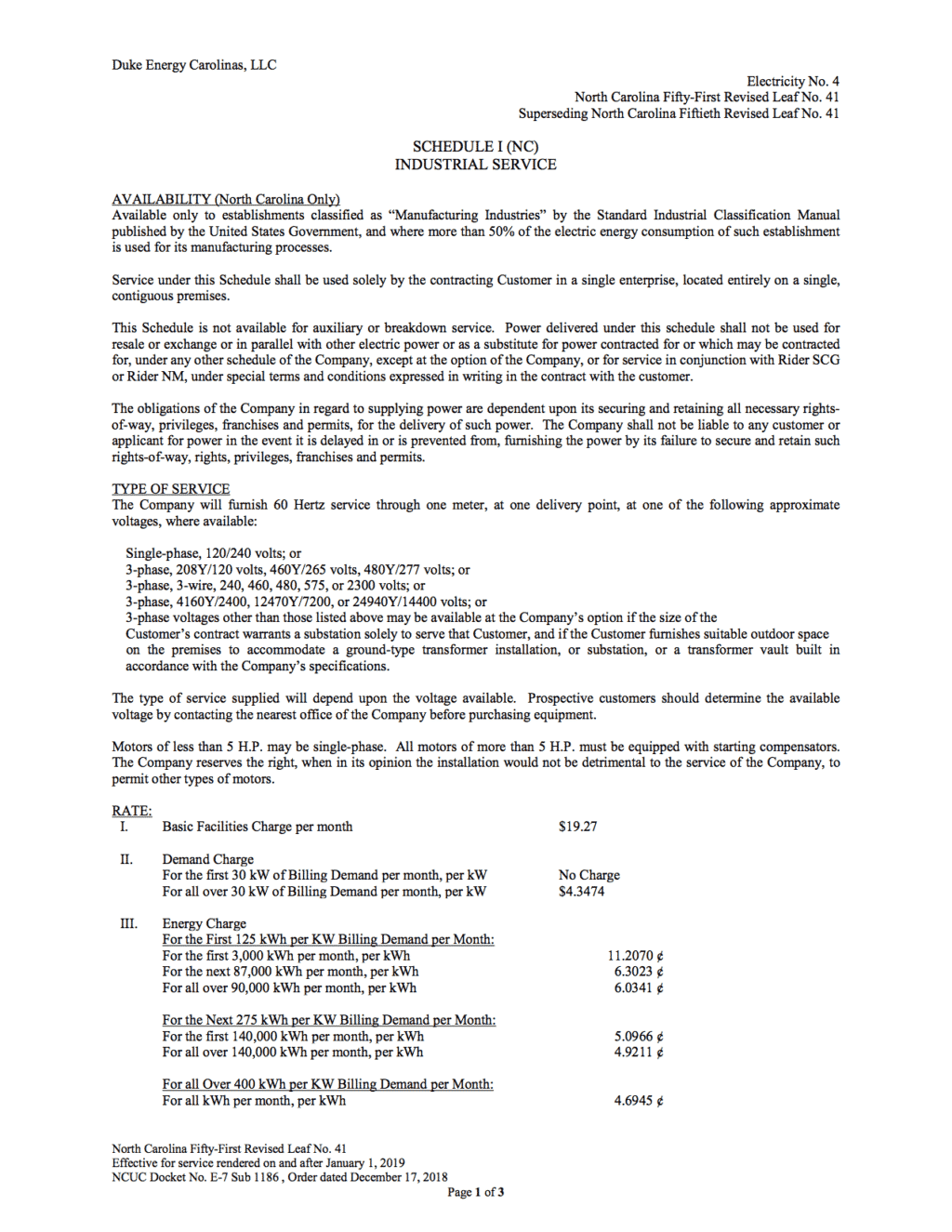
Industry tariffs, codes, bills, and terminology are all written in industry jargon. This makes it almost impossible for anyone to be able to confidently determine what they are spending. Just have a look at one example of an electric tariff to see for yourself. And calculating what your costs are supposed to be is no cinch either. You can try your hand at utility industry math here (we’ve yet to have someone get this right).
Simply put, if you care about the money you are spending each month then you should have your utility expenses audited by a professional.
Now that you understand the importance, let’s look at how a utility audit is actually performed.
Ok, so how is it done?
A utility audit is conducted by getting invoices for each location and a letter of authorization for each vendor. From there we conduct the following series of steps:
Step 1: Invoice and Contract Collection
-
Gather invoices for each location and obtain a letter of authorization for each vendor.
Step 2: Invoice and Contract Review
-
Review each utility invoice and associated contracts for accuracy and contract/tariff compliance, ensuring all charges are correct.
Step 3: Market Analysis
-
Conduct a thorough market analysis of options, providers, and regulatory requirements and compliance. After 4-6 weeks, deliver findings to the client for their approval.
Step 4: Findings and Implementation
-
Once findings are approved, implement the agreed savings measures, including negotiating refunds for any identified overcharges.
Step 5: Ongoing Monitoring
-
Monitor the invoices every month for accuracy and overcharges, ensuring savings stay intact and remain in place.
A systematic review of historical data, typically 12–24 months of invoices, is conducted to uncover billing errors and establish a baseline for typical consumption patterns and seasonal trends. Audits can recover refunds for up to 36 months of past billing errors on a contingency fee basis.
In addition to manual audits, many businesses are turning to specialized tools to streamline the process.
Utility Bill Auditing Tools
Benefits of Auditing Tools
Utility bill auditing tools have become indispensable for businesses looking to take control of their utility costs and maximize savings. With the sheer volume and complexity of utility bills that most organizations face, manual auditing can be time-consuming and prone to errors. That’s where utility bill auditing software steps in—streamlining the entire process and making it easier to uncover billing errors that might otherwise go unnoticed.
How Auditing Software Works
These advanced tools allow companies to efficiently analyze complex utility bills, compare charges against contracted rates, and flag discrepancies in real time. By automating the audit process, businesses can quickly identify errors, overcharges, or incorrect rate applications, leading to significant savings on energy costs and other utility expenses.
Impact on Business Savings
Utility bill auditing software also provides valuable data and insights, empowering organizations to make informed decisions about their energy use and future bills. With the ability to track trends, monitor usage, and benchmark against industry standards, businesses can optimize their utility accounts and uncover hidden savings opportunities.
In today’s data-driven world, leveraging utility bill auditing tools is a smart move for any company aiming to reduce utility costs, improve accuracy, and ensure every dollar spent on utilities is justified. By investing in these solutions, businesses can transform the way they manage utility expenses and unlock substantial savings for years to come.
Summary
Verifying the accuracy of these expenses is difficult and complex. If you value the money you are spending in this category you should have it reviewed by industry professionals.
If you meet our minimum spends you qualify for our audit service. Having been in the auditing business since 1991 we’d love the opportunity to perform our risk- free/shared savings audit and see what we can do for you.