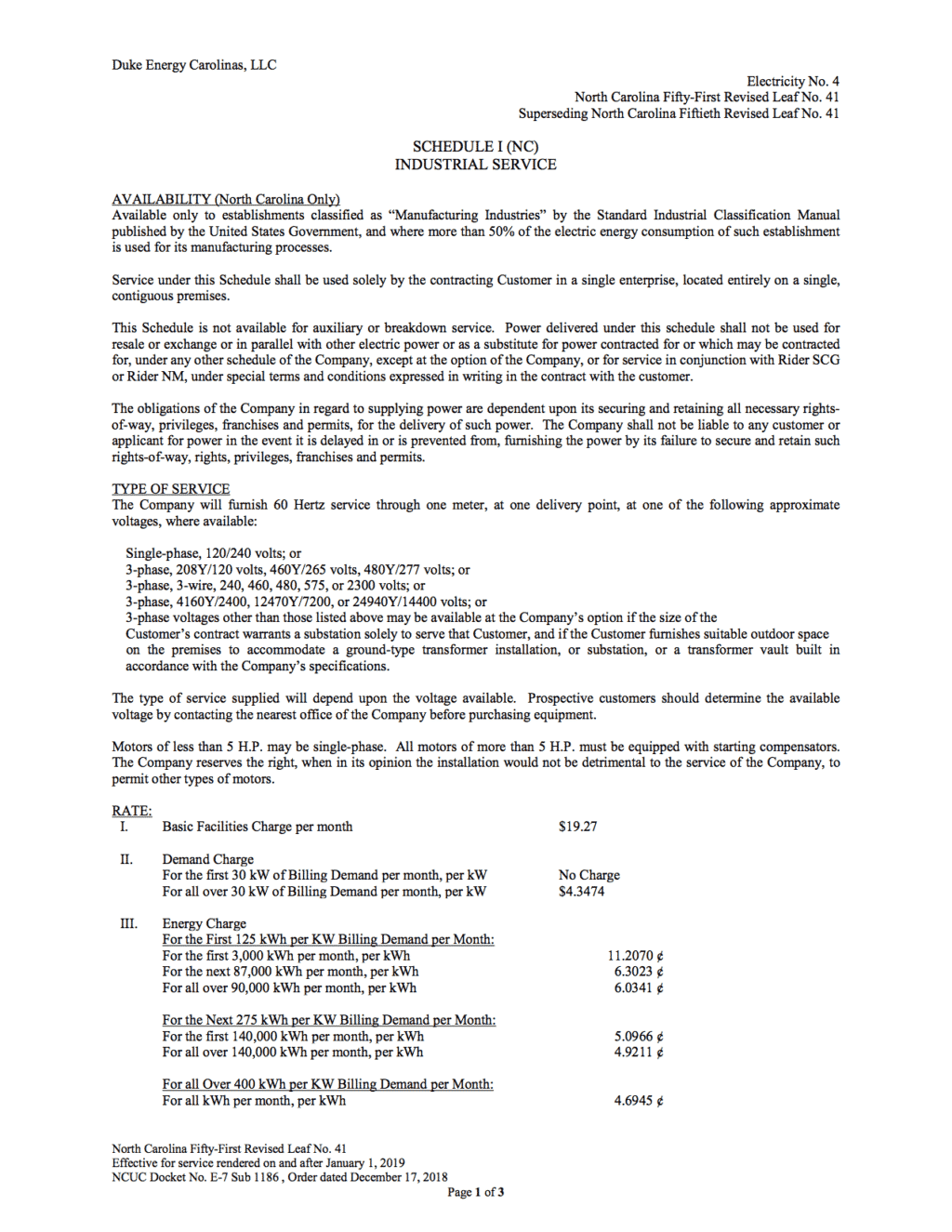
In the U.S. there are regulated and deregulated energy markets — and inside of these markets are different tariffs that each utility has. An energy tariff is a detailed pricing structure set by utility companies that determines how energy costs are calculated for different customer types.
Read on to learn what a utility tariff is, why it’s important, what tariff you quality for, and how to save on your electric and gas. It’s important to understand the difference between electric rates, which are the charges per unit of electricity, and utility tariffs, which include additional charges, tiers, and conditions that influence your final bill.
Understanding these concepts is key to taking control of your utility costs.
What Is a Utility Tariff?
A utility tariff governs how an energy provider (electric or natural gas) charges the customer for their energy and natural gas usage. The amount billed is based on the unit of energy consumed, typically measured in kilowatt hours (kWh). Electric and natural gas vendors must submit their tariffs to the government for approval. Utilities must submit their proposed tariffs to a regulatory body for review and approval, such as a Public Utilities Commission (PUC), and cannot change them without approval.
There are many different types of tariffs and they can range from 2-10 pages in length. Understanding how these tariffs work is critical to understanding what you are being charged for your electric and gas, and if there are opportunities for savings or refunds. Tariffs take into account the total electricity consumed, the contract type (such as fixed or variable-rate contracts), and the supply of energy. The unit of measurement for energy consumption is usually the kilowatt hour (kWh), which is multiplied by the applicable rate to determine your total charge. Fixed charges are monthly fees for administrative costs and infrastructure maintenance, while variable charges are contingent on utility usage. Charges within a tariff also cover production and infrastructure, operational costs, and regulatory factors.
Here’s a link to an example electric tariff.
Why Is an Energy or Utility Tariff Important?
Simply put, all of your charges are governed by it. It is the document that determines exactly what you will pay and when you will pay it. Tariffs reflect the actual costs and billing practices of the utility provider.
If you think there’s been a billing error, you must refer to the tariff. If you think there’s an opportunity to get rebates on new energy-efficient purchases, you must refer to the tariff. If you think there may be a way to reduce your kWh charge or demand charges, you must refer to the tariff. Tariffs typically outline how charges are applied based on use periods and specific calendar dates, such as holidays or billing cycles.
This is how the energy and gas markets work. The tariff is the governing document.
Understanding Utility Bills
Understanding your utility bill is essential for any business or organization looking to manage energy costs and take control of their financial operations. A utility bill is more than just a monthly statement—it’s a detailed breakdown of the electricity, natural gas, or other utilities your business consumes, along with the associated costs. These costs are determined by the utility tariffs set by your utility companies, which outline the rates, service charges, and other fees you pay for essential services.
Utility tariffs are the backbone of your utility bill. They specify the different rates, consumption tiers, and demand charges that apply to various types of customers, including residential, commercial, and industrial customers. For example, larger commercial and industrial customers may face higher demand charges during peak hours, while residential customers might see different rates based on their total energy usage or the time of day they consume electricity. Fixed and variable tariffs differ in their rate stability, with fixed rates offering price certainty and variable rates fluctuating based on market conditions. Demand charges are based on the highest rate of power demand reached during a billing period, mainly for commercial and industrial customers.
To effectively manage utility costs, it’s important to understand the factors that affect your bill. These include your overall energy usage, the maximum demand your business places on the grid, and which consumption tiers you fall into. Demand charges, in particular, can have a significant impact on your final bill, especially if your operations require a lot of energy during on-peak periods. By analyzing your utility bill and understanding the tariffs that apply, you can identify opportunities to cut costs—such as shifting energy usage to off-peak hours or investing in new energy efficient purchases. The primary purpose of a utility tariff is to allow the utility to recover costs associated with producing, transmitting, and distributing energy.
Utility providers in regulated states are required to provide clear, detailed information about their tariffs and rates, making it easier for businesses to understand their bills and make informed decisions. In deregulated markets, you may have the advantage of shopping around and negotiating with multiple utility providers to find the best rates and tariff structures for your needs. Businesses can save money by regularly comparing utility tariffs and switching suppliers if necessary. Either way, understanding your utility bill and the tariffs behind it is crucial for maintaining control over your energy costs and ensuring your business operates efficiently.
Taking the time to review your utility bills and understand the tariffs that affect you can reveal areas where you can improve sustainability, qualify for rebates, or take advantage of incentives for energy efficient purchases. Whether you’re a small business, a large industrial customer, or a residential customer, gaining a clear understanding of your utility costs puts you in a stronger position to control expenses and plan for the future. Taxes and levies may also be included in consumer bills to support environmental or renewable energy initiatives.
The Different Types of Tariffs
There are a large amount of different electric and utility tariffs across the different utilities in the United States — and inside of each of these tariffs are many different qualifying factors that must be met to determine which tariff your business qualifies for.
Furthermore, each tariff can have large variations in the actual price per kilowatt-hour. All of this means there can be countless variables that go into the actual price of your electric and gas.
Below are some of the different types of tariffs:
-
Fixed rate
-
Variable rate
-
Simple
-
Large General usage
-
Small general usage
-
3 Part
-
Flat rate
-
Block rate
-
Power factor
-
Maximum demand
-
Time of use
-
Economy 7
-
Economy 10
-
Green tariff
-
Duel fuel
A time-of-use (TOU) tariff has varying prices per unit of energy based on the time of day and encourages use during off-peak hours.
And many more…
What Tariff Do You Qualify For?
Knowing which tariff you qualify for is paramount for knowing your options, and how they will financially impact your business. Choosing the right tariff can help your business save money by reducing utility expenses and improving profitability. Each of the above tariff types can have numerous variations.
For example, in one supplier market, you might qualify for a large general usage tariff if you use over 500,000 kWh per year and generate over 100 Kw in demand each month. Some tariffs require customers to own and maintain their own equipment, such as power transformers, to qualify for lower rates. But if you drop under that amount for even one month, you don’t qualify.
In other markets, if your heating costs are funded by 30% natural gas (for example) and 70% electric, and you are a manufacturer, you might qualify for a different tariff.
The list goes on as far as variances and qualifications are concerned. In most markets, we see about 75 different variations and qualifications.
Calculating the Tariff
Beyond reading through all the tariffs the provider has (which can range from 10-100 different varieties), you must be able to then calculate which tariff will be right for you.
It’s not as simple as finding a tariff with a better kWh rate. The amount of demand you generate, when you generate it, ratchets, on-peak/off-peak, historical usage, load factor, maximum demand, etc., all factor in.
The scary part is, if you change your tariff, in some cases, you can not change it back for 12 months. We’ve seen this result in large additional costs for clients in the past who attempted to implement a change on their own without doing the calculations correctly.
Here’s an example of a simple electric bill and tariff. Figuring out what the costs should be is quite complex on your own (we’ve yet to see someone get this math problem correct).
Some tariffs can result in significant savings but in some months it results in net losses. The net gain over 12 months might be substantially positive or it might inadvertently be net negative.
So, again, you must be confident in your math and ability to interpret the tariffs.
The tariffs in the utility industry are critical in determining the costs that affect your business and are only one of the dozens of factors our highly trained experts review. Expert support is available to help your business navigate complex utility tariffs and optimize your utility costs.
If you would like our industry experts to help you out on a risk-free audit simply call us at 1-877-843-7579.